
Kashmiri Honey Benefits: Why Himalayan Honey Is Highly Valued
High in the Himalayan mountains, where air is crisp, water is pure, and plant life grows far from pollution, bees produce a unique kind of honey known as Kashmiri honey. Collected from the valleys and forests of Kashmir, this honey has long been valued for its depth of flavor, thick texture, and traditional wellness benefits.
What makes Himalayan honey so special isn’t just its taste—it’s the environment it comes from. The region’s clean ecosystem, diverse wildflowers, and minimal human interference all contribute to honey that feels closer to nature.
In this blog, we’ll explore the benefits of Kashmiri honey, understand why Himalayan honey is highly valued, and see what sets it apart from other honey varieties.
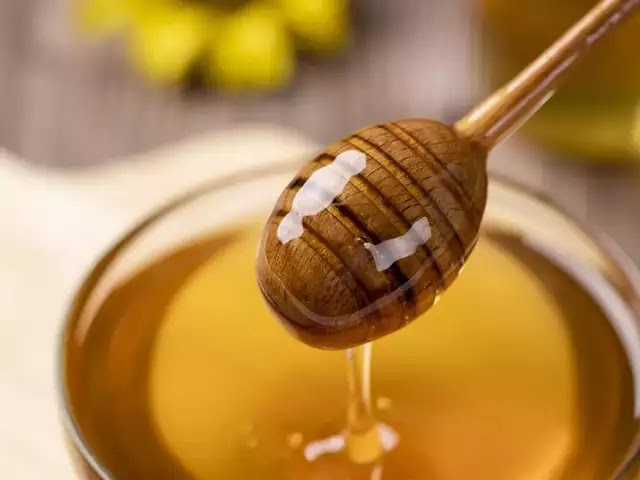
1. What Is Kashmiri Honey?
Kashmiri honey is a natural honey produced by bees foraging in the Himalayan region of Kashmir.
1.1 Himalayan Floral Sources
The nectar for Kashmiri honey comes from wild Himalayan plants.
-
Alpine flowers and herbs
-
Wild blossoms growing at high altitudes
-
Medicinal plants unique to the region
This floral diversity gives Himalayan honey its rich character.
1.2 High-Altitude Beekeeping
Altitude plays a major role in honey quality.
-
Cooler temperatures slow nectar processing
-
Bees forage over wider natural areas
-
Honey matures gradually inside the hive
This slow process often results in thicker, more concentrated honey.
1.3 Natural and Seasonal Production
Kashmiri honey is typically harvested seasonally.
-
Limited harvest cycles
-
Dependent on climate and bloom periods
-
Natural variations between batches
These changes are signs of authenticity, not inconsistency.
2. Why Himalayan Honey Is Considered Special
Himalayan honey stands out because of where and how it is produced.
2.1 Clean and Unpolluted Environment
The untouched and immaculate environment of Kashmir is fundamental in influencing the purity of honey, as the region boasts distinctive ecological conditions that are marked by exceptionally low levels of pollution, pristine air quality, and a wealth of natural resources. These factors combine to create a perfect habitat for bees, allowing them to forage on a wide variety of wildflowers that flourish in this unique landscape. As a result, the honey produced here is not only abundant in flavor but also remarkably pure and offers numerous health benefits, making it a truly exceptional product that reflects the richness of its natural surroundings.
-
Minimal industrial pollution
-
Clean air and water sources
-
Reduced chemical exposure
This helps ensure cleaner nectar and purer honey.
2.2 Rich Mineral Content
Mountain soils are naturally mineral-rich.
-
Trace minerals transfer into nectar
-
Adds depth to honey’s nutritional profile
-
Enhances natural strength and density
This is one reason Himalayan honey feels more robust.
2.3 Dense Texture and Deep Flavor
Kashmiri honey often has a bold presence.
-
Thicker consistency
-
Slightly woody or herbal notes
-
Less sharp sweetness
Its taste reflects the rugged Himalayan terrain.
3. Health Benefits of Kashmiri Honey
For generations, Himalayan honey has been valued in traditional wellness practices.
3.1 Natural Immunity Support
Kashmiri honey is often consumed during seasonal changes.
-
Supports the body’s natural defenses
-
Helps soothe throat discomfort
-
Commonly mixed with warm water or herbs
Its strength comes from its natural composition.
3.2 Digestive and Energy Benefits
This honey is gentle yet nourishing.
-
Aids digestion when taken in moderation
-
Provides steady, natural energy
-
Reduces dependency on refined sugar
These benefits make it suitable for mindful daily use.
3.3 Rich in Antioxidants
Because it is minimally processed:
-
Antioxidants remain intact
-
Supports overall wellness
-
Helps combat everyday stress on the body
Himalayan honey often contains more active compounds than heavily processed honey.
4. Kashmiri Honey vs Other Honey Varieties
Understanding how Kashmiri honey differs highlights its value.
4.1 Compared to Lowland Honey
Honey from plains is usually produced faster.
-
Warmer climate speeds nectar processing
-
Limited floral diversity
-
More exposure to agriculture
Himalayan honey matures slowly, improving depth and quality.
4.2 Compared to Commercial Honey
Commercial honey is often blended and heated.
-
Uniform taste and appearance
-
Reduced enzymes
-
Longer shelf life but less nutrition
Kashmiri honey retains its natural character.
4.3 Taste and Usage Differences
Himalayan honey has a stronger identity.
-
Not overly sweet
-
Earthy and herbal notes
-
Preferred by those who enjoy bold flavors
It may feel intense at first, but many grow to appreciate it.
5. How to Use Kashmiri Honey in Daily Life
Kashmiri honey can be enjoyed in simple, meaningful ways.
5.1 Daily Consumption
Small amounts go a long way.
-
Taken with warm water in the morning
-
Added to herbal teas
-
Consumed directly in moderation
Its richness means you don’t need much.
5.2 Culinary Uses
It pairs well with natural foods.
-
Drizzled over nuts and fruits
-
Used in traditional recipes
-
Combined with spices for home remedies
Its flavor adds depth without overpowering.
5.3 Storage and Quality Care
To preserve quality:
-
Store in a cool, dry place
-
Avoid moisture contamination
-
Expect natural crystallization over time
No special storage methods are required.
Kashmiri honey is highly valued because it carries the essence of the Himalayas within it. From clean mountain air to diverse wild flora, every element of its environment contributes to its purity, strength, and rich flavor.
The benefits of Kashmiri honey go beyond sweetness—it offers depth, nutrition, and a connection to nature that is increasingly rare in today’s processed food world. Its bold taste and dense texture make it stand apart from common honey varieties.
For those seeking authenticity, minimal processing, and natural richness, Himalayan honey from Kashmir remains one of the finest choices—crafted slowly by bees, shaped by mountains, and treasured for generations.